

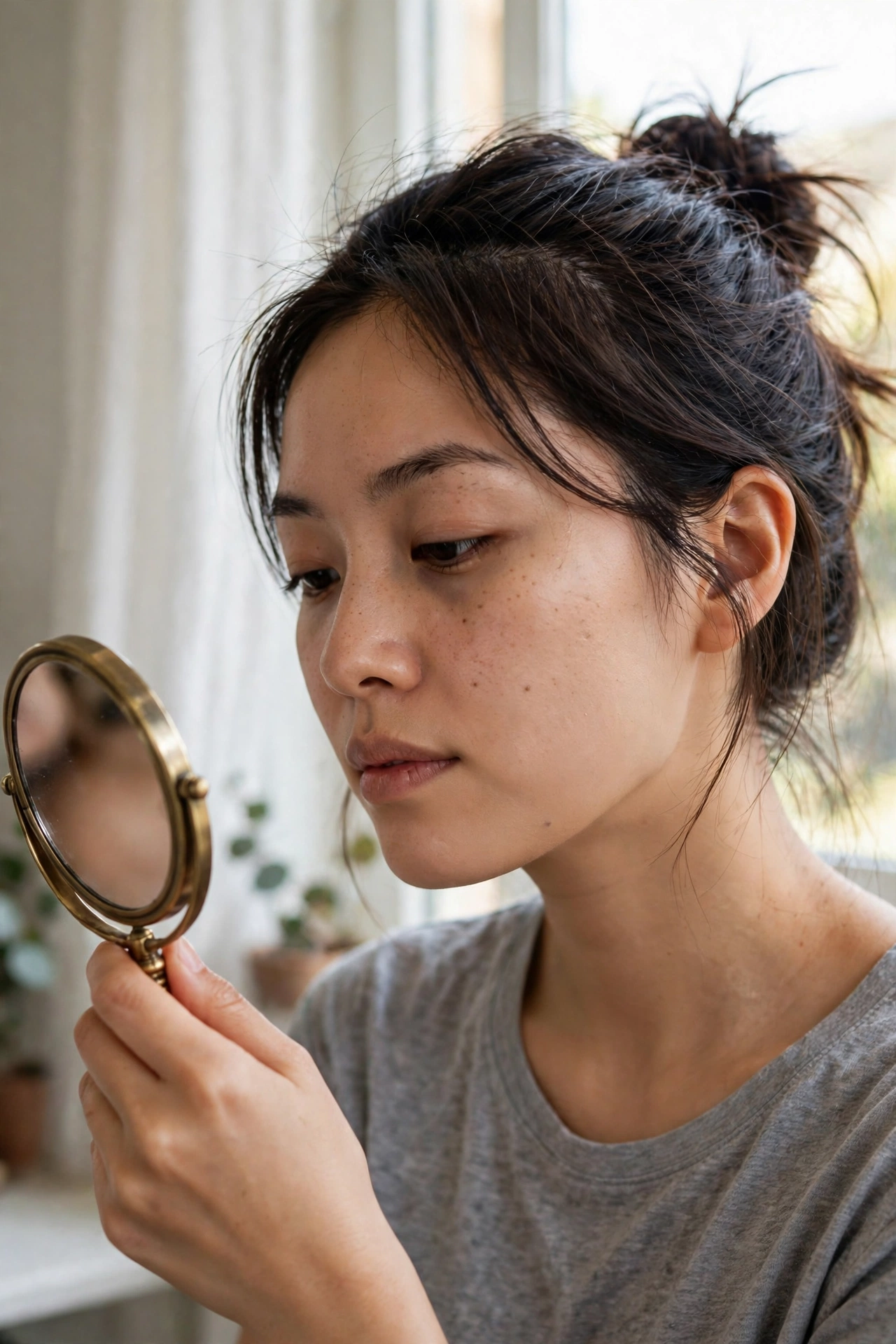
You matched your foundation in the store, it looked perfect, and by the time you reached your car your face had a faint orange glow. Your neck stayed the same color. Your face did not.
If you keep asking why does my foundation look orange, there are usually three reasons: the wrong undertone, oxidation as it reacts with your skin oils, or too much bronzer and warm powder on top.
This guide walks you through testing your shade, then fixing the orange cast you already have. Plan on about 20 minutes for the test and less than that for the daily fix.
🛍️ What You Need
👀 At a Glance
- Check your foundation in daylight
- Find your undertone
- Do the 15 minute oxidation test
- Mix in a lighter or cooler shade
- Use a primer that suits your skin
- Set with translucent powder, not a tinted one
- Blend foundation down onto your neck
Check Your Foundation in Daylight
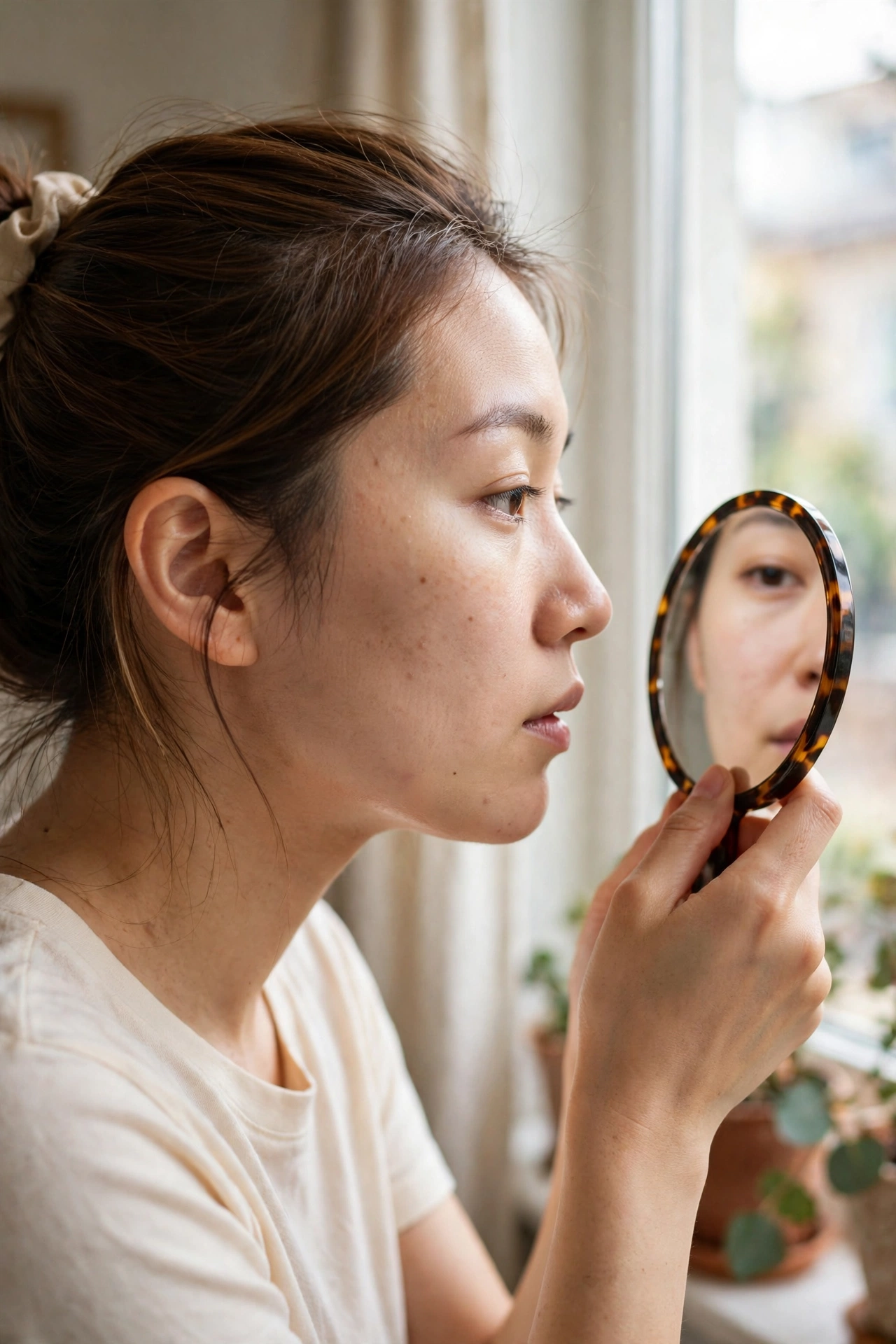
Bathroom lights are often warm and yellow, which hides orange tones. Stand next to a window and look at your jaw and neck together.
If your face looks darker or warmer than your neck, the problem is the shade or the way it changes during the day.
Find Your Undertone
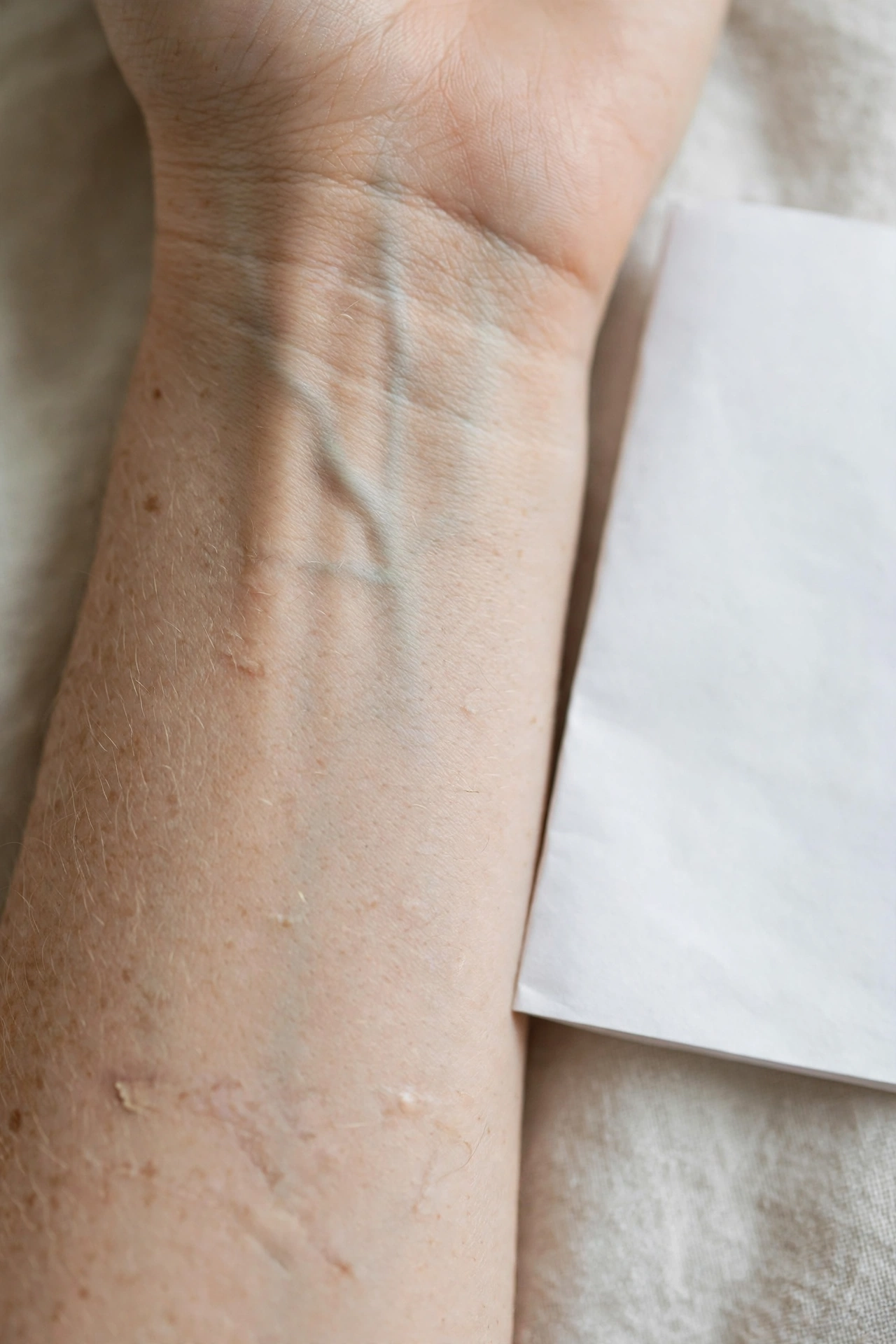
Hold a white tissue next to your bare face in daylight. If your skin looks pink or rosy, you are likely cool. Golden or yellow means warm. A mix means neutral.
Most orange foundation problems come from wearing a warm shade on cool or neutral skin.
| Your undertone | Look for shades labeled |
|---|---|
| Cool | C, pink, rose |
| Warm | W, golden, yellow |
| Neutral | N, beige |
Do the 15 Minute Oxidation Test
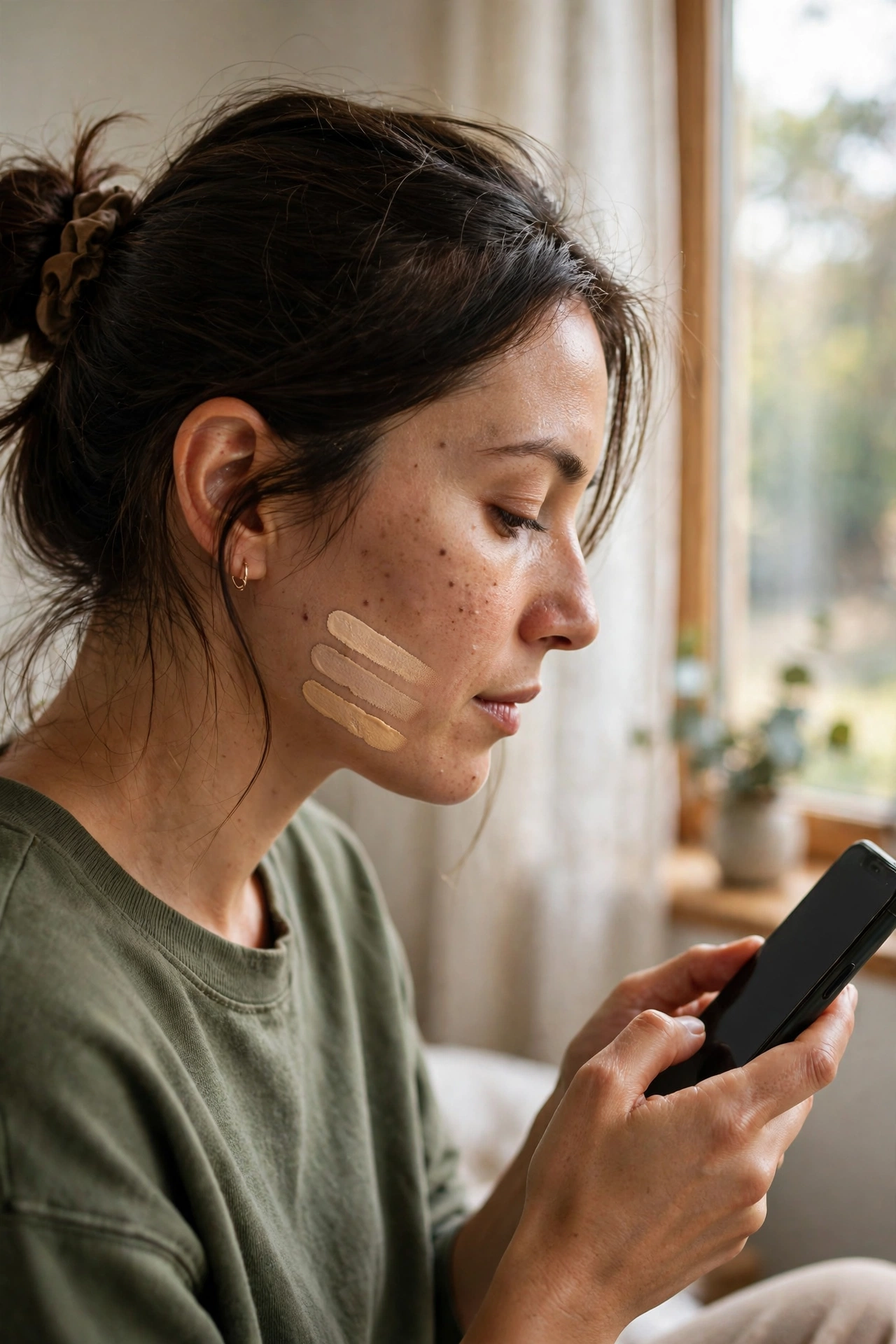
Swipe a small stripe of foundation on your jaw and leave it alone for 15 minutes. Then check it again in daylight.
If it got darker or more orange, your foundation oxidizes. That means the formula reacts with air and your skin oils.
📌 Good To Know
Oxidation is more common on oily skin. If this happens to you, a primer and powder often help more than switching brands.
Mix in a Lighter or Cooler Shade
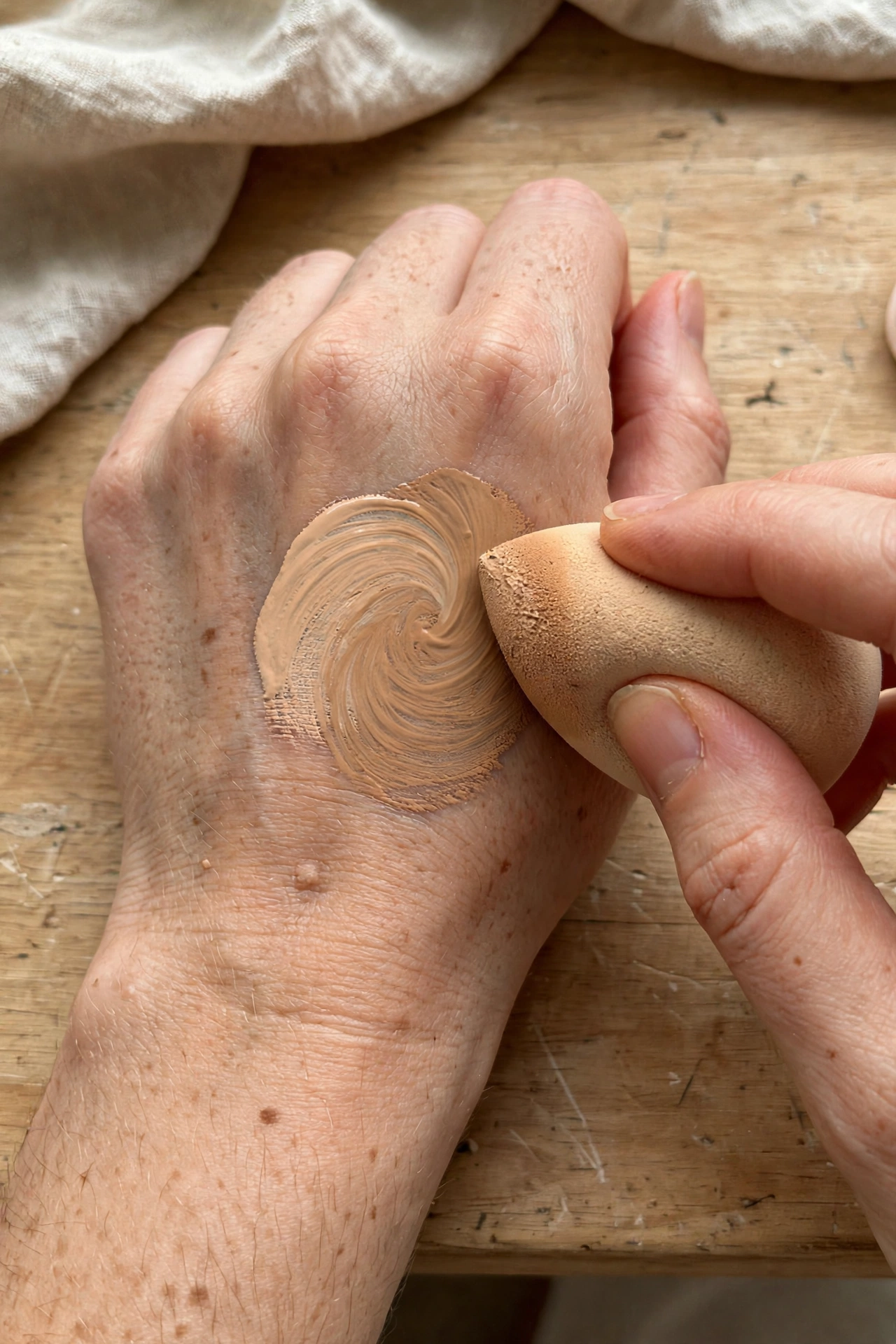
You do not have to throw out an orange foundation. Mix it with a drop of a lighter or cooler shade on the back of your hand.
Start with a 2 to 1 ratio, your foundation to the lighter one, then test on your jaw again.
Use a Primer That Suits Your Skin
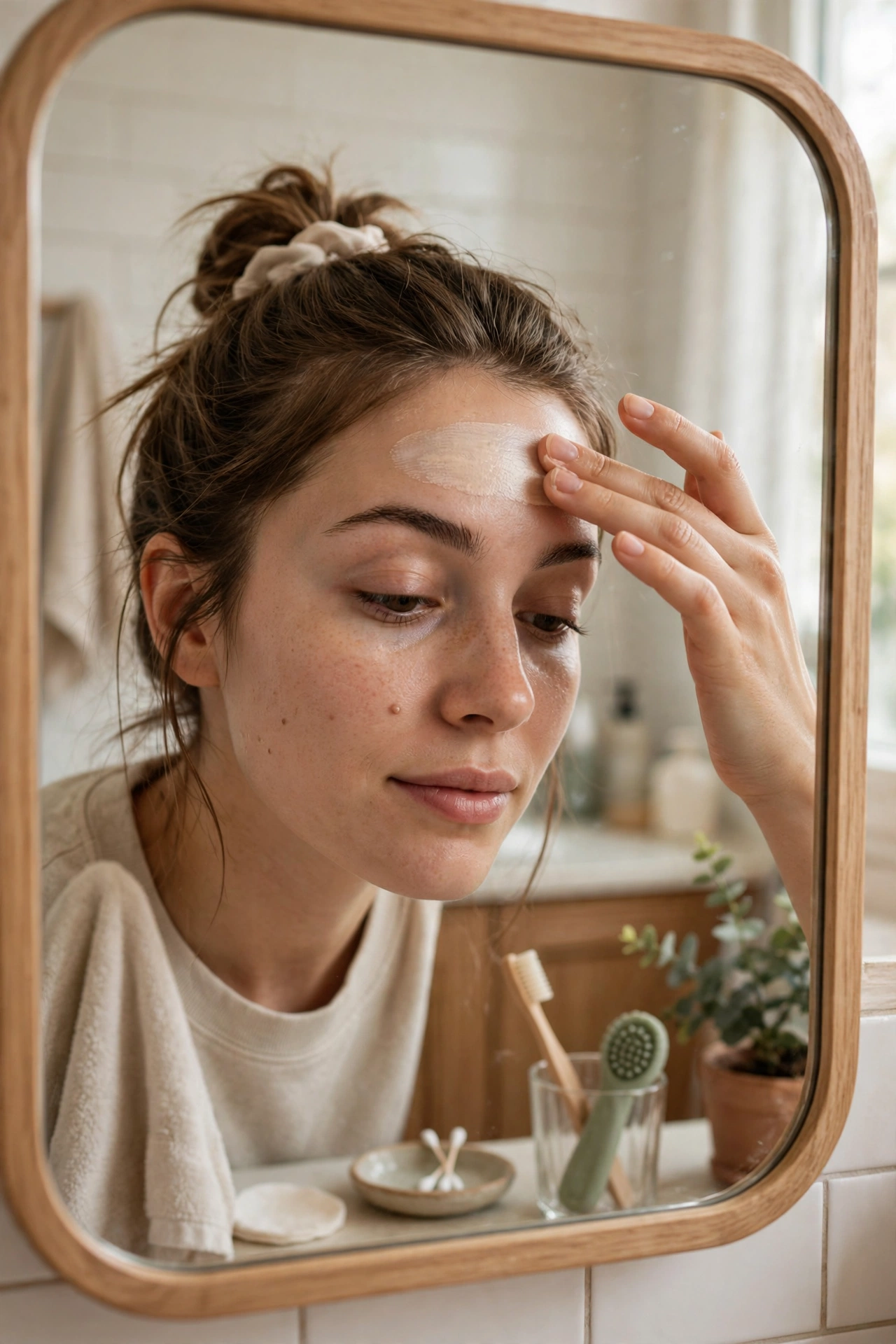
A primer puts a thin layer between your skin oils and the foundation. That slows down oxidation.
Pick a mattifying primer for oily skin and a hydrating one for dry skin. Let it sit for 1 minute before foundation.
💡 Quick Tip
If you do not own a primer, a thin layer of your regular moisturizer that has fully sunk in can still help a little.
Set With Translucent Powder, Not a Tinted One
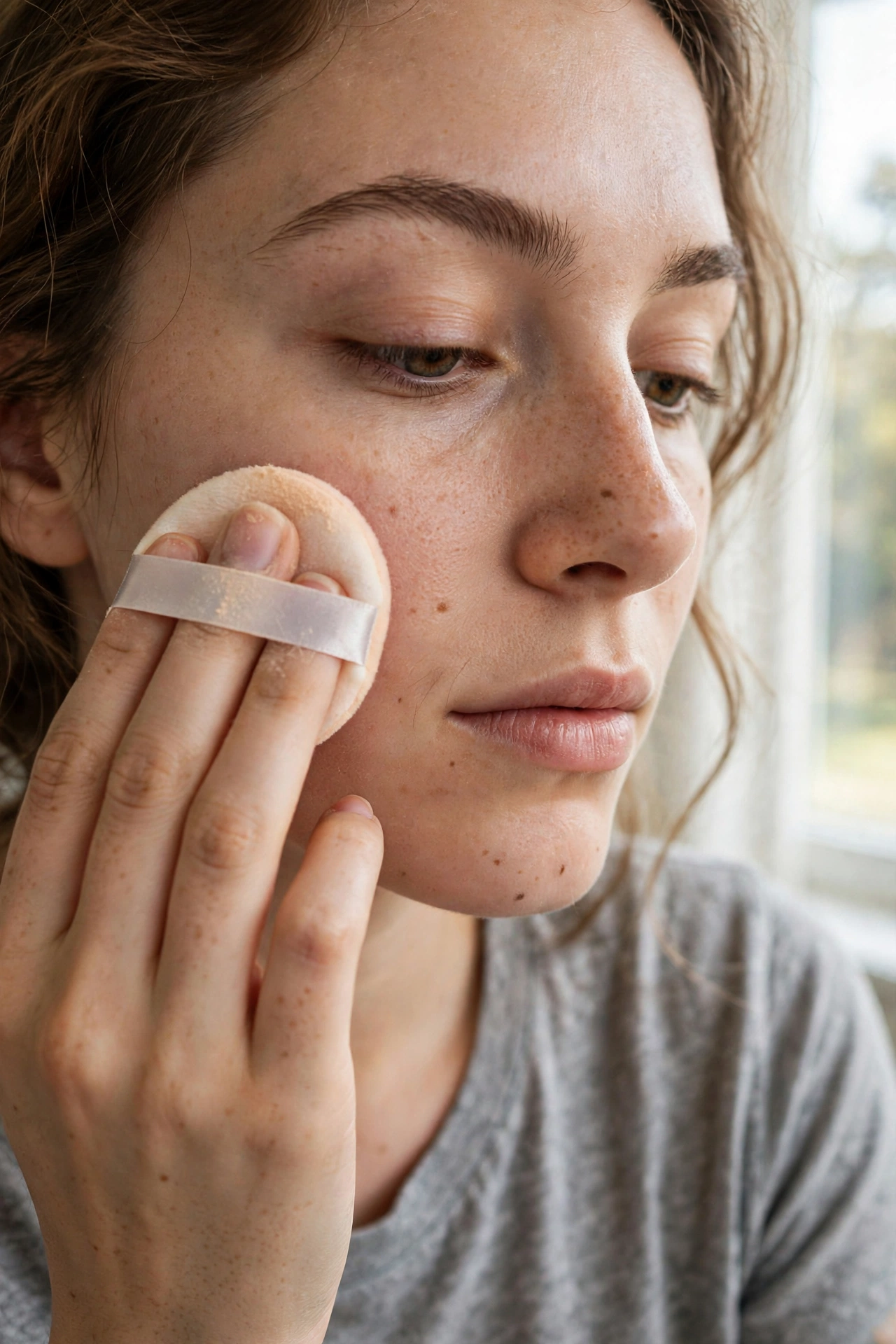
Tinted powders and warm setting powders can add even more orange on top of foundation.
Switch to a translucent powder and press it in only where you need it. Your foundation stays closer to its real color.
Blend Foundation Down Onto Your Neck
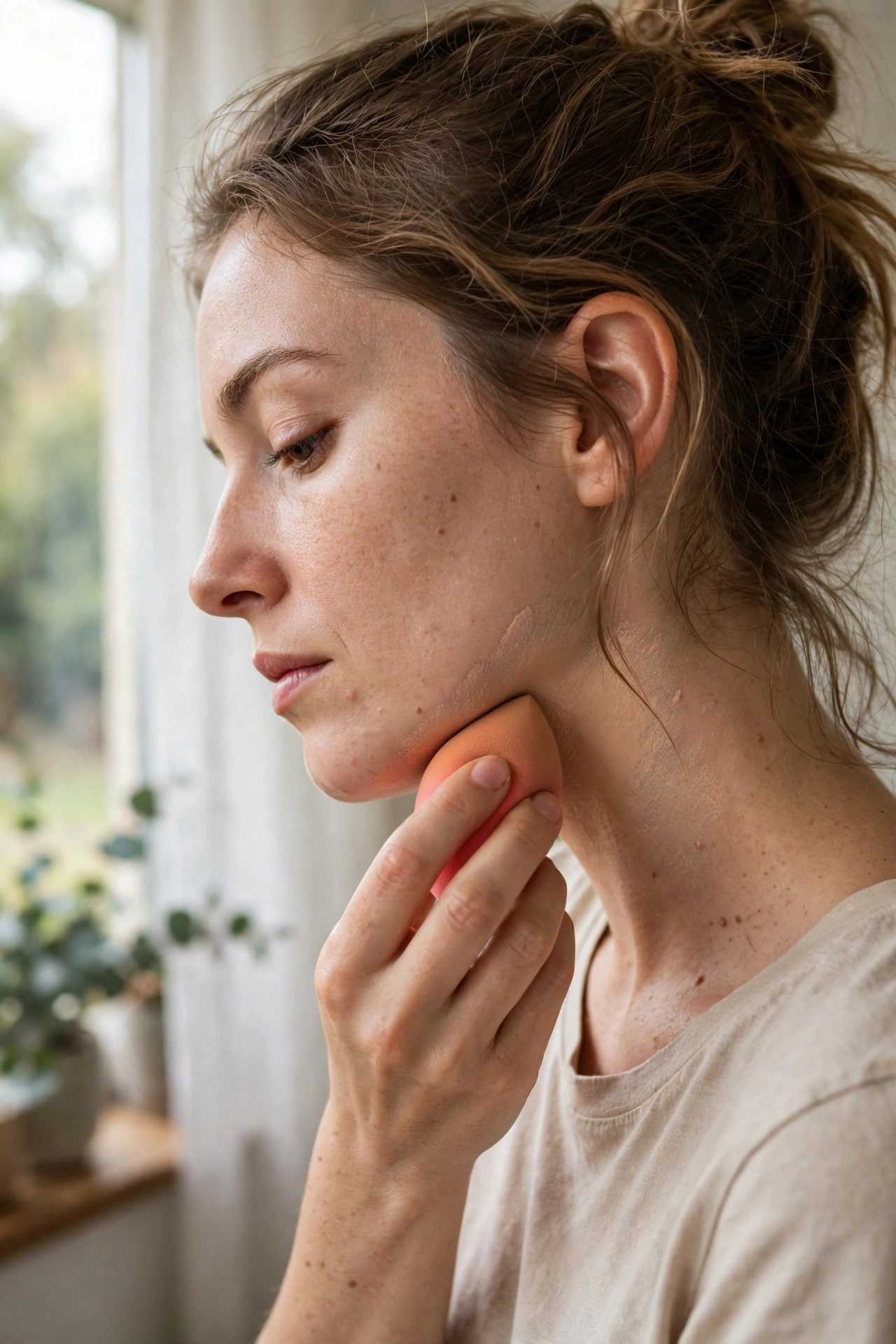
Even the right shade can look off if it stops sharply at the jaw. Blend the edges down onto your neck with a damp sponge.
Check the jawline one last time in daylight before you leave the house.
If your face, jaw, and neck all look like the same skin in daylight, your foundation is a match.
Common Mistakes That Cause Orange Foundation
Test shades on your jaw, not your hand.
Check color after 15 minutes.
Use translucent powder.
Matching in warm store lighting.
Piling bronzer over a warm foundation.
Skipping primer on oily skin.
Quick Questions
❓ Quick Questions
Why does foundation look fine at first and orange later?
That is oxidation. The formula darkens as it mixes with air and the oils on your skin.
Can I fix an orange foundation without buying a new one?
Often yes. Mix in a lighter or cooler shade, use a primer, and set with translucent powder.
Should I go a shade lighter if my foundation oxidizes?
Many people do. A half shade lighter can end up looking right after it darkens.
📋 Quick Reference Card
You need
Foundation · Mirror and daylight · White tissue · Sponge · Lighter shade · Primer · Translucent powder
Steps
- Check in daylight
- Find undertone
- 15 minute test
- Mix lighter shade
- Prime
- Translucent powder
- Blend to neck
No More Orange Face
Now you know the real reason your foundation turns orange, and how to fix it without starting over.
Next time you shop, test on your jaw and wait 15 minutes before you buy. Save this pin so you remember the test.